When the Cheapest Drug on the Shelf Is Also the Right Call — and When It Isn't
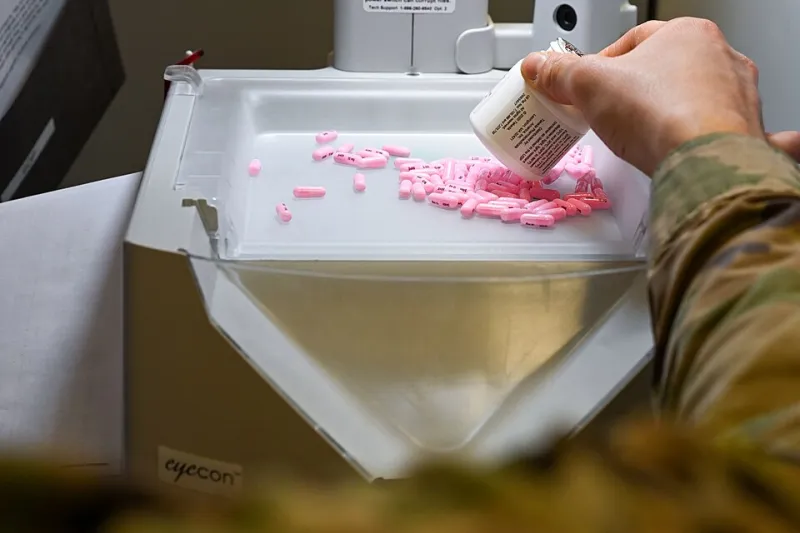
Photo: U.S. Air Force photo by Senior Airman Jessica Sanchez-Chen, Public domain, via Wikimedia Commons
Walk into nearly any American pharmacy and ask for the price of a month's supply of generic amitriptyline. The answer, for cash-paying patients, is often less than the cost of a sandwich. On many $4 generic lists at national chains, it sits comfortably alongside blood pressure pills and antibiotics as one of the cheapest maintenance medications in the country.
That price tag is not a footnote to this drug's story. In many cases, it is the story.
How Affordability Drives the Prescription Pad
The United States healthcare system gives cost an outsized role in treatment selection. A patient on a high-deductible plan may pay full price for every prescription until their deductible is met — which can mean thousands of dollars out of pocket before January is over. A newer neuropathic pain agent or a branded sleep medication can run $300 to $500 per month. Amitriptyline runs a small fraction of that.
Prescribers know this. When a family physician weighs options for fibromyalgia, diabetic nerve pain, or chronic tension headaches, the clinical evidence for several drugs may be comparable — but the financial reality for the patient is not. Choosing a medication the patient can actually afford to fill, and keep filling, is not a compromise. It is often the difference between a treatment plan that works and one that dies at the pharmacy counter.
What Patients Gain When Cost Isn't a Barrier
Adherence is the quiet winner here. Research on medication persistence consistently shows that cost is one of the leading reasons patients abandon prescriptions in the first months. A drug that costs four dollars is a drug patients can trial properly, dose-adjust on schedule, and stay on long enough to see whether it works. Chronic pain conditions, in particular, demand months of consistent treatment before benefit is fully assessed.
There is also a secondary gain: fewer agonizing trade-offs. Patients on expensive regimens sometimes split tablets, skip days, or drop the prescription entirely to cover rent. A low-cost alternative removes that calculus entirely.
What Patients Should Still Question
None of this means cost should be the only lens. A few honest caveats belong in every conversation about amitriptyline's affordability:
- Cheap does not mean side-effect-free. Amitriptyline's anticholinergic burden — dry mouth, constipation, cognitive fog — is real, and older adults in particular should ask whether a gentler alternative, even a pricier one, might be worth the expense.
- Drug interactions matter more with older agents. Amitriptyline interacts with a long list of common medications. A thorough pharmacist review is non-negotiable, regardless of price.
- Affordability should not substitute for follow-up. A low-cost drug sometimes receives less clinical attention than a high-cost one. Patients deserve the same monitoring, dose reviews, and outcome tracking they would get with any prescription.
The Bottom Line for American Patients
If your doctor has handed you a prescription for amitriptyline, the low price is a genuine advantage — one that makes consistent, long-term treatment realistic. But affordability is a starting point, not a justification. Ask why this drug fits your condition, what the monitoring plan looks like, and what should trigger a reconsideration.
The best prescription is one that is both clinically sound and financially sustainable. Amitriptyline frequently clears the second bar with room to spare. Making sure it clears the first is a conversation worth having out loud.